

Japanese wine is still a rarity in Europe. Thanks to Gubi Gubi, the joy of tasting these special wines is now possible in Amsterdam and all across Europe through their direct imports and hosted tasting events. Run by Noriyuki and his wife Chihiro, Gubi Gubi maintains close connections with a curated selection of wineries from their home country, focusing specifically on organically produced natural wines.
Recently, Noriyuki guided one of his major suppliers, Coco Farm & Winery, on their European tour, bringing them to Berlin for a special tasting hosted by the Japanese restaurant and bar, Shizuku.
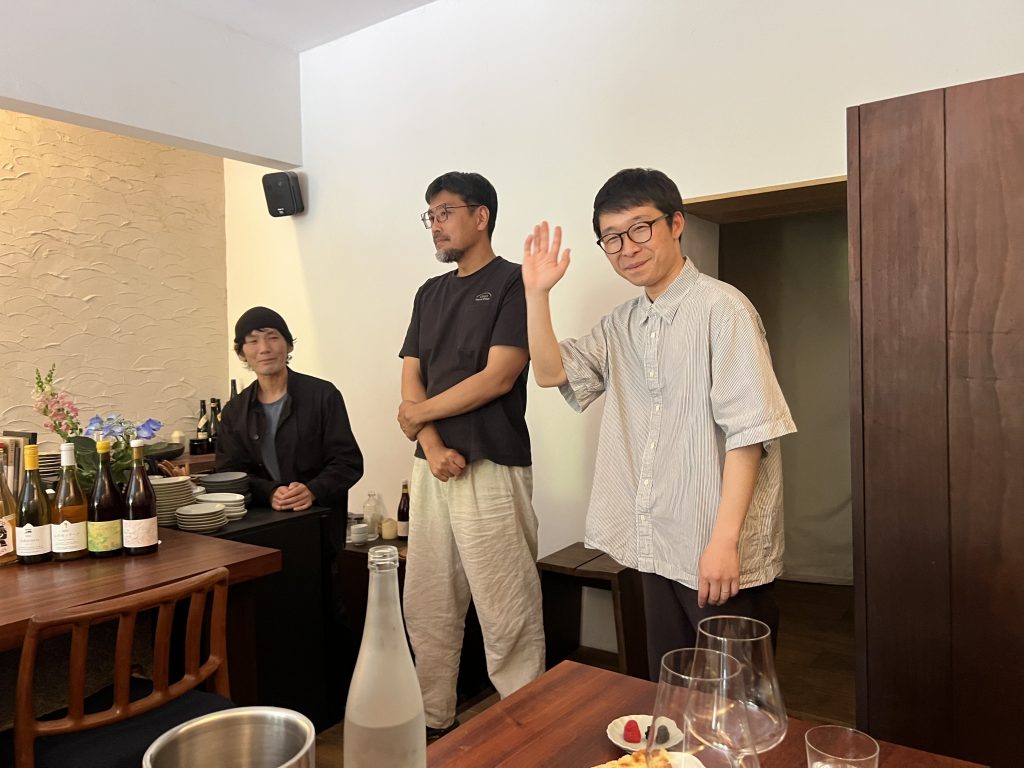
Coco Farm & Winery does not just produce “ordinary” wine; they maintain a strict low-intervention philosophy that respects nature, resulting in a product that consists of nothing but grapes. They add sulfites in minimal amounts only when the winemaker deems it absolutely necessary, and some of their wines are crafted completely without any added sulfites.
The climate Japanese wine farms have to compete with is far from easy. Unlike the conditions grape growers are used to in Europe, farmers in the central and southern regions of Japan must cope with intense humidity and heavy rainfall. While these conditions are optimal for cultivating rice or tropical fruits, they present an extreme challenge for viticulture.
To address these challenges, winemakers carefully clear leaves from around the grape bunches and align their planting rows with prevailing winds to ensure wet fruit dries as quickly as possible.
Another fascinating curiosity is the “umbrella technique,” where every single grape cluster is topped manually with a small paper umbrella to shield it from heavy downpours. Roughly 150,000 bunches are protected in this painstaking manner each year.
This technique requires intense manual labor, as does harvesting on the region’s steep hills and terraces. Furthermore, contrary to the water-retention needs of rice farming, viticulture on Japan’s volcanic soil and thick, isolating clay layers requires sophisticated drainage systems to shed excess water from the vineyards as rapidly as possible.
Beyond winemaking, the farm integrates a meaningful social project by employing individuals with disabilities in their day-to-day operations throughout the year and across the entire production process. Working in a practical, nature-driven environment has shown tremendous benefits for their health and rehabilitation, while bringing immense joy to their daily lives.
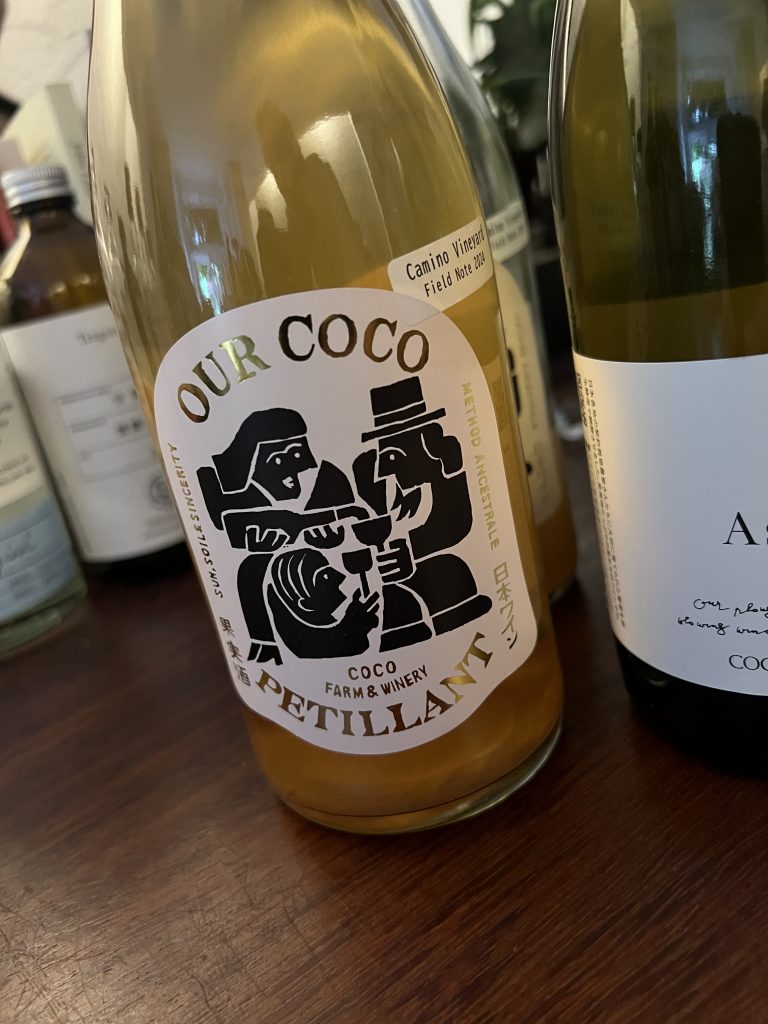
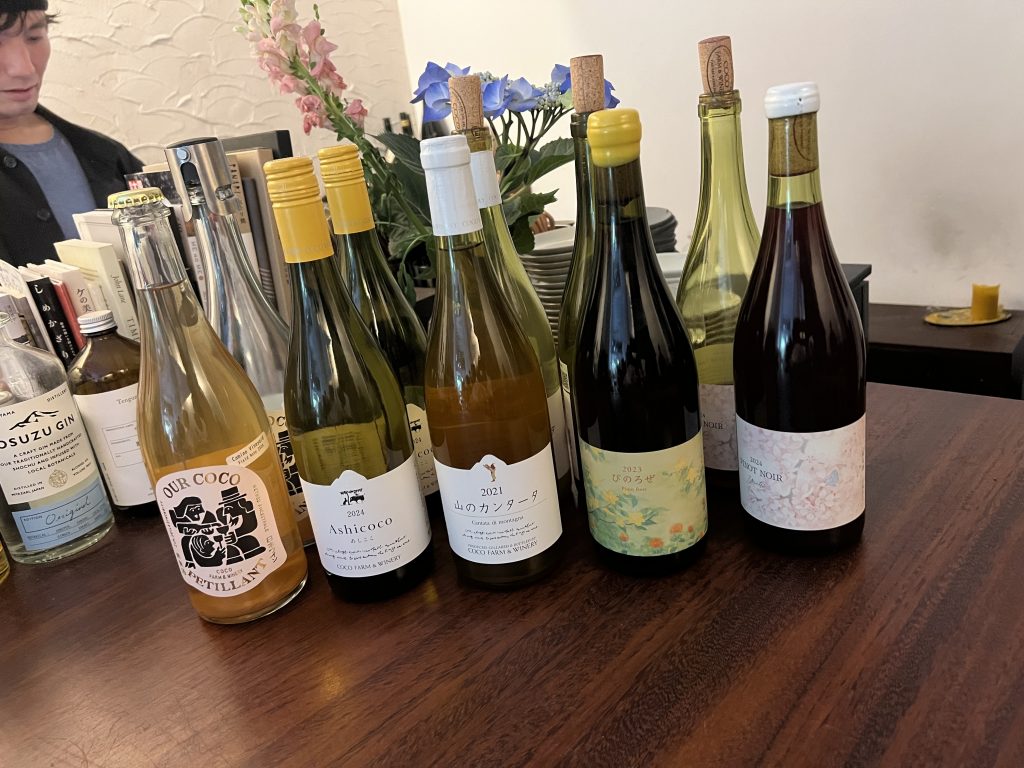
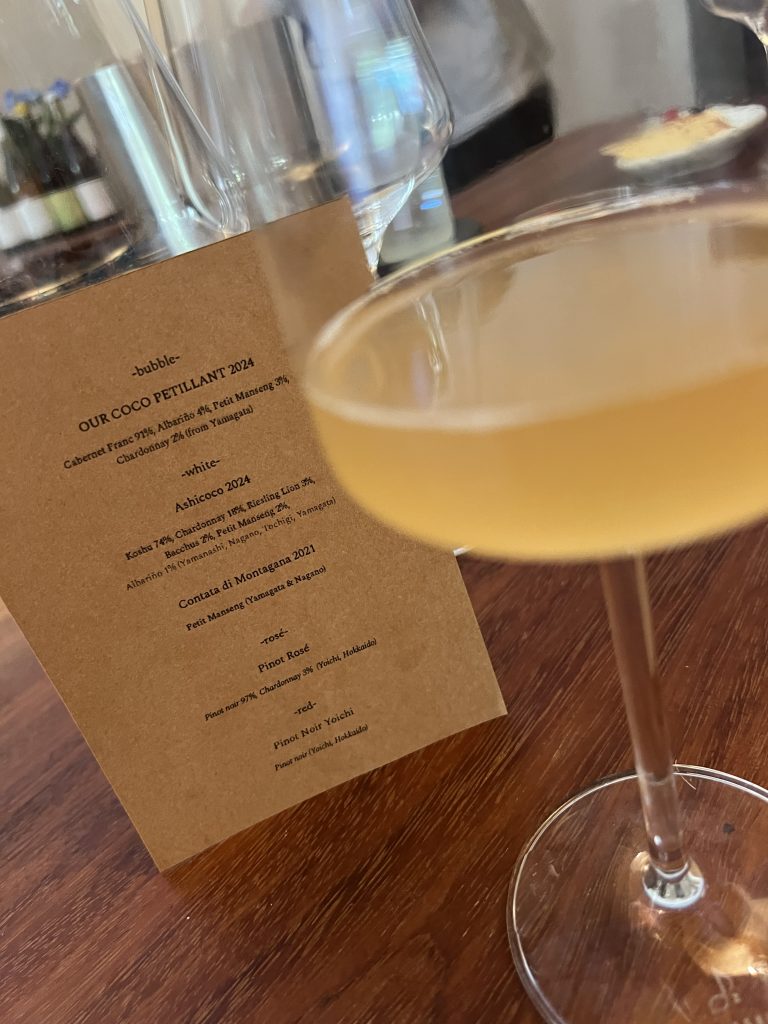
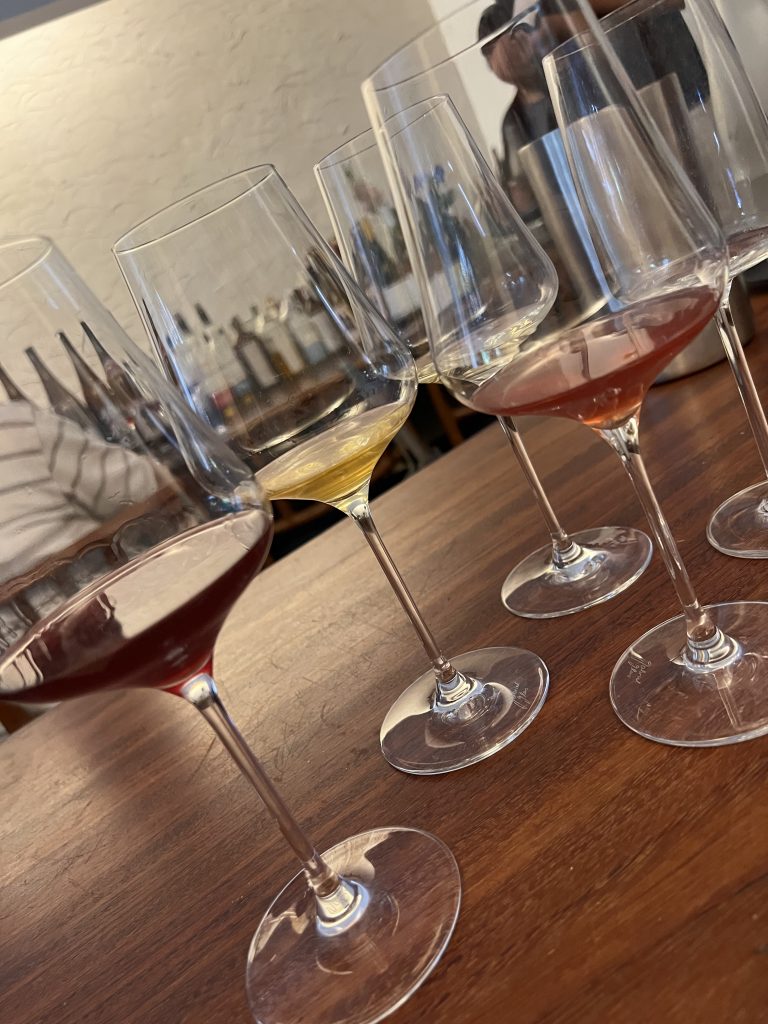
The tasting began with “Our Coco,” a Pét-Nat (Pétillant Naturel) featuring a fruity aroma of passionfruit, pineapple, and white peach, perfectly balanced by a crisp acidity and a touch of residual sugar. It was absolutely clean and amazing—even after sitting in the glass for an hour or two, it showed no signs of mouse taint, volatile acidity, or paint-thinner aromas, despite having zero added sulfites.
Next was the first white wine, “Ashicoco,” made from the local Koshu grape blended with 18% Chardonnay and small amounts of Riesling Lion, Bacchus, and Petit Manseng. It delivered notes of grapefruit, an almost salty mineralization, and a very subtle hint of bitterness. Its style and aroma were reminiscent of sake, an profile that may well be intentional.
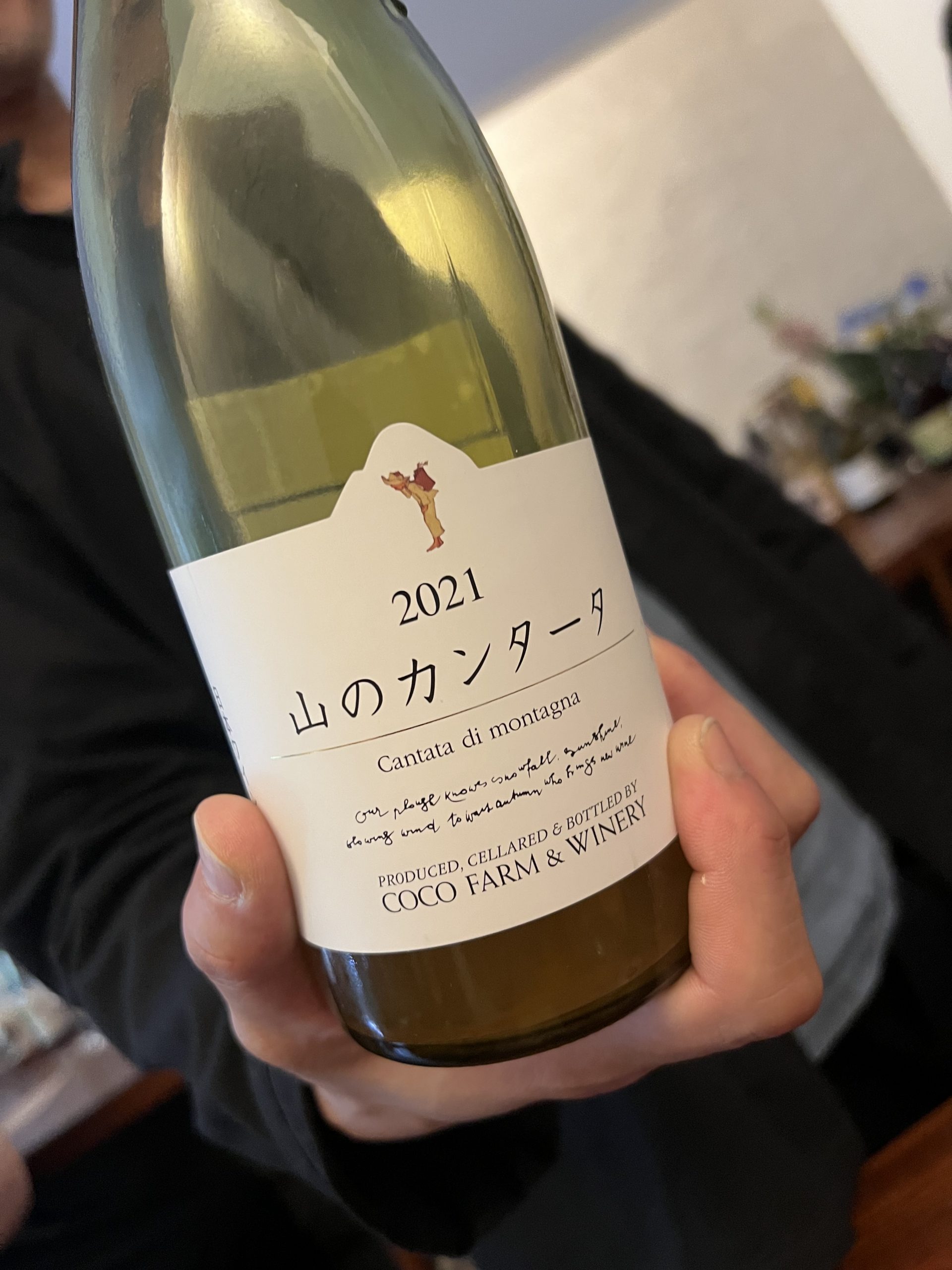
The second white wine, “Cantata di Montagna,” was composed mainly of Petit Manseng—a French variety typically used for aromatic sweet wines. While that signature aroma carried through, the wine was actually bone-dry at just 3 grams of residual sugar per liter. It offered a smooth, full mouthfeel underpinned by a distinct, vibrant acidity.
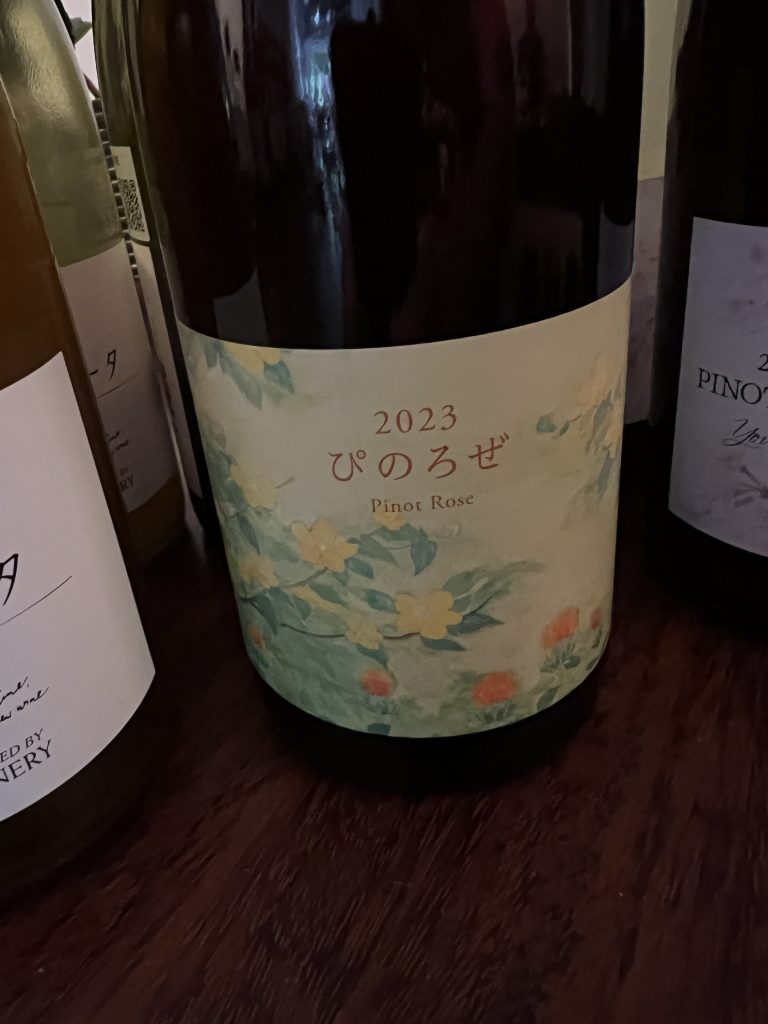
Both the rosé and the red wine were crafted from Pinot Noir, and both evoked notes of Umeboshi (Japanese salted, fermented plums) with their sharp acidity and complex fruitiness. The rosé was a joyful party on the palate, while the red showed great potential to age for another year or so in the bottle.
Every wine displayed a highly individual character, making it difficult to choose a favorite. From the winemakers’ perspective, the goal is to look at the grapes and determine what will work best for them, letting the aromas develop naturally without forcing or bending the fruit’s inherent character. Ultimately, it was a harmonious and highly appreciated tasting experience that served as a prime example of excellent craftsmanship in both the vineyard and the cellar.
European Distributor: GUBI GUBI
Winery: Coco Wine & Farm
Host: Shizuku Berlin
great post!